.jpg)
From the Karamojong plains to Batwa forest heritage, Ankole cattle kraals, and Kampala's living history — the people of Uganda are half the journey.
A Nation of Over 50 Cultures
Uganda is home to more than 50 distinct ethnic groups, each with its own language, music, and traditions. Weaving cultural encounters into a safari turns a wildlife trip into a human story — and channels tourism income directly into villages.
The Karamojong of the Northeast
Around Kidepo Valley, the Karamojong maintain a proud cattle-herding culture little changed in centuries. Visit a manyatta to watch warriors' jumping dances, learn how homesteads are organised, and hear how cattle define wealth, marriage, and identity.
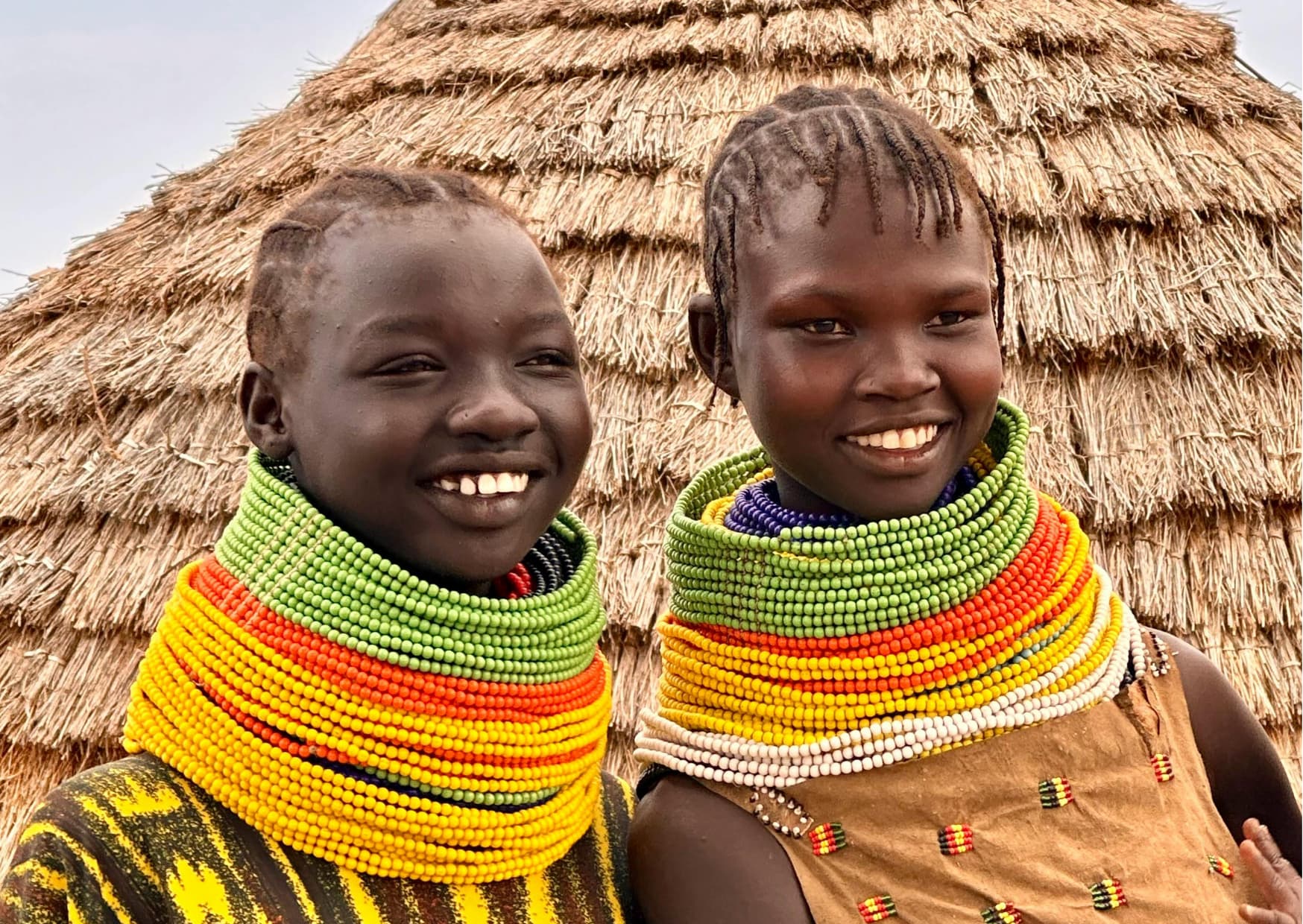
Karamojong community in traditional dress
The Batwa: Keepers of the Forest
Before Bwindi became a national park, the Batwa people lived within it as hunter-gatherers. On the Batwa Experience trail, elders demonstrate fire-making, medicinal plants, hunting techniques, and songs of the forest — a moving encounter that helps sustain their community today.
Everyday Life, Shared
Some of the warmest memories come from the simplest moments:
- Playing omweso, Uganda's ancient board game, with village elders
- Fetching firewood and water with local women and hearing their stories
- Milking long-horned Ankole cattle at a traditional kraal
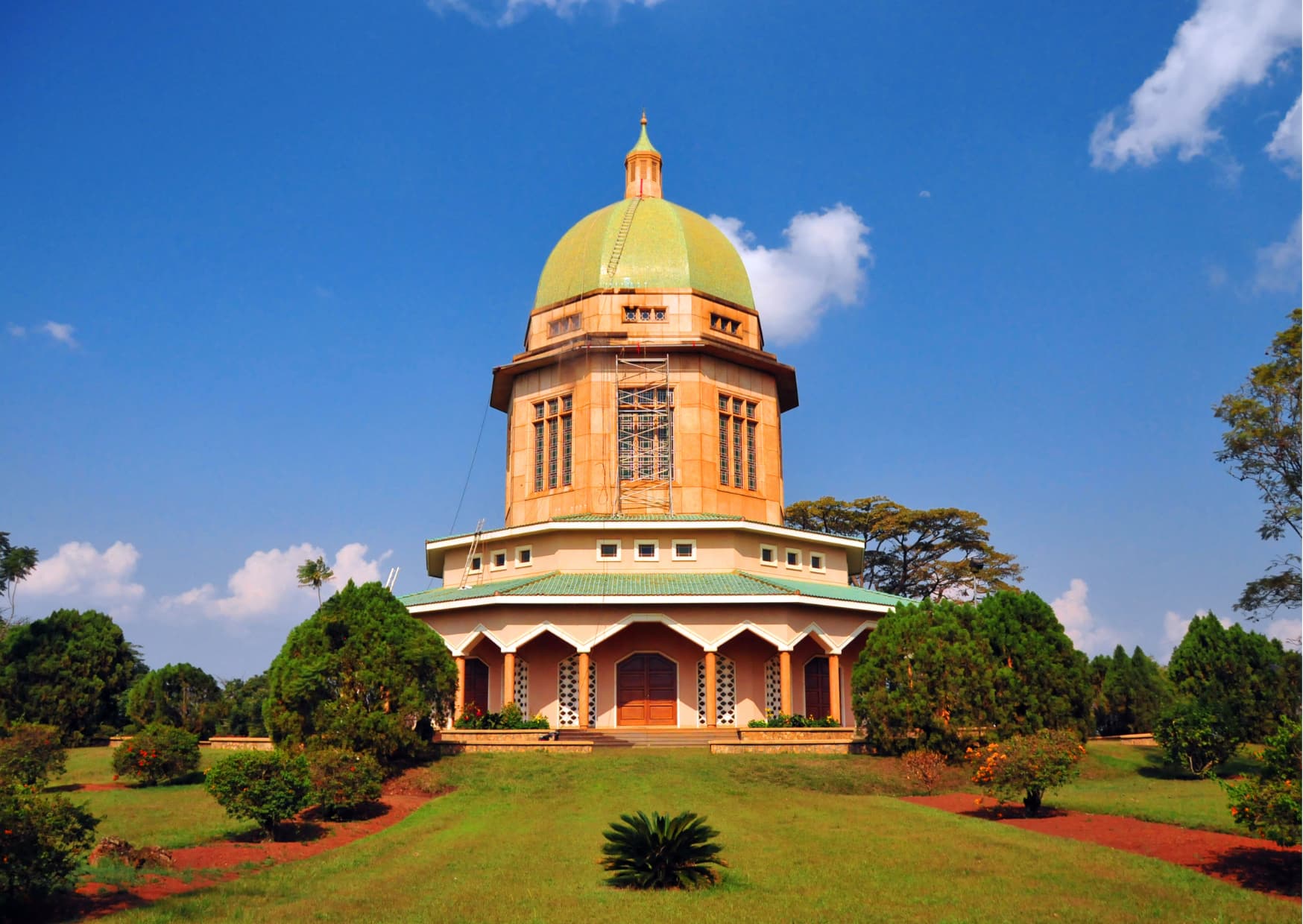
- Visiting the Bahá'í Temple and craft markets of Kampala
- Sharing a home-cooked meal of matoke, groundnut sauce, and rolex
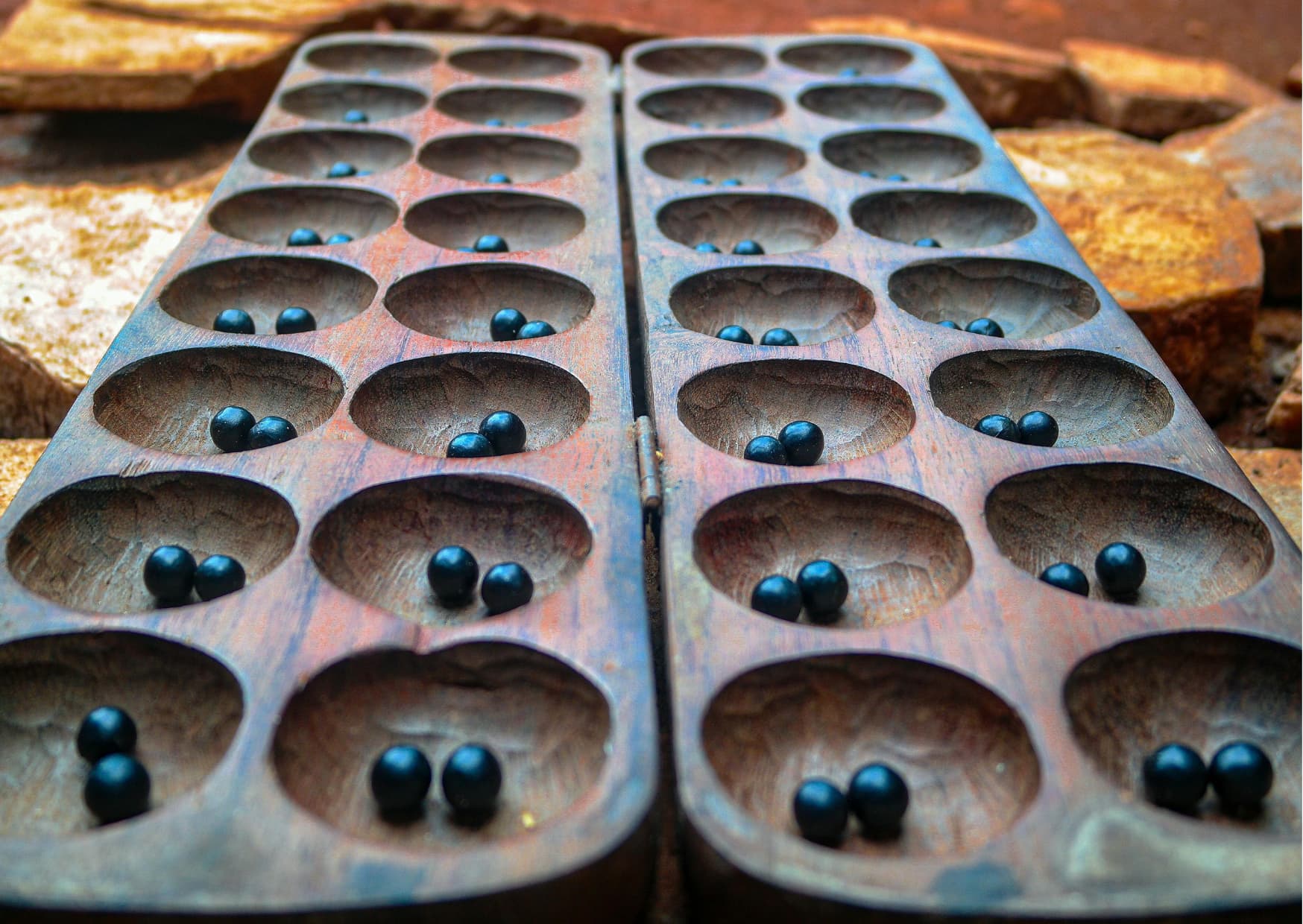
Playing the traditional omweso board game
Travelling Respectfully
All our cultural visits are arranged with community consent and fair payment. Ask before photographing people, dress modestly in villages, and buy crafts directly from the makers — small courtesies that keep these exchanges genuine.
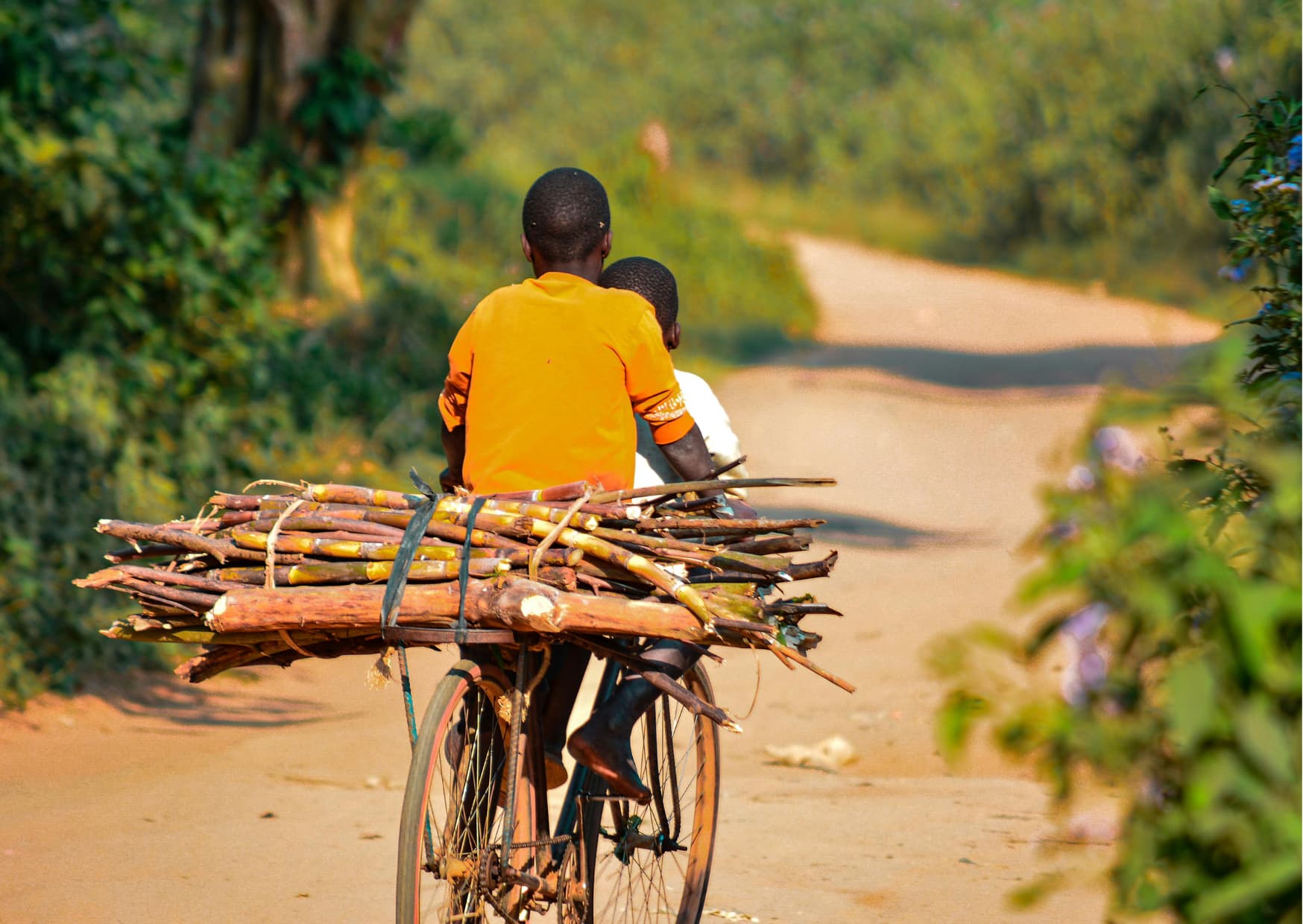
Sharing daily life in a Ugandan village
Ready to Experience Uganda?
Let our local experts turn this guide into your own tailor-made safari itinerary.
Plan Your Safari