From trekking boots to camera gear, power plugs to malaria tablets — a practical, tested packing list plus our top on-the-ground travel tips.
The Golden Rule: Pack Light, Pack Layers
Uganda's equatorial climate means warm days (24–29°C) and cool mornings, with cold nights at altitude in Bwindi. Soft duffel bags beat hard suitcases in safari vehicles, and internal flights cap luggage at 15 kg. Most lodges offer same-day laundry, so one week of clothes covers any trip length.
Clothing Checklist
Neutral colours (khaki, olive, brown) are best for game viewing; avoid dark blue and black, which attract tsetse flies.
- 3–4 short-sleeved shirts and 2 long-sleeved shirts
- 2 pairs of lightweight trousers plus one pair for trekking
- Fleece or light jacket for early game drives
- Waterproof rain jacket (essential year-round)
- Broken-in waterproof hiking boots and camp sandals
- Wide-brimmed hat, sunglasses, and a swimsuit
Health & Documents
Carry these in your hand luggage, never checked bags:
- Passport (6+ months validity) and printed e-visa approval
- Yellow fever certificate — checked on arrival
- Malaria prophylaxis, insect repellent with DEET
- Personal medications plus a basic first-aid kit
- Travel insurance covering gorilla trekking
- US dollars in cash, 2013 series or newer, plus a Visa card
Camera Gear & Electronics
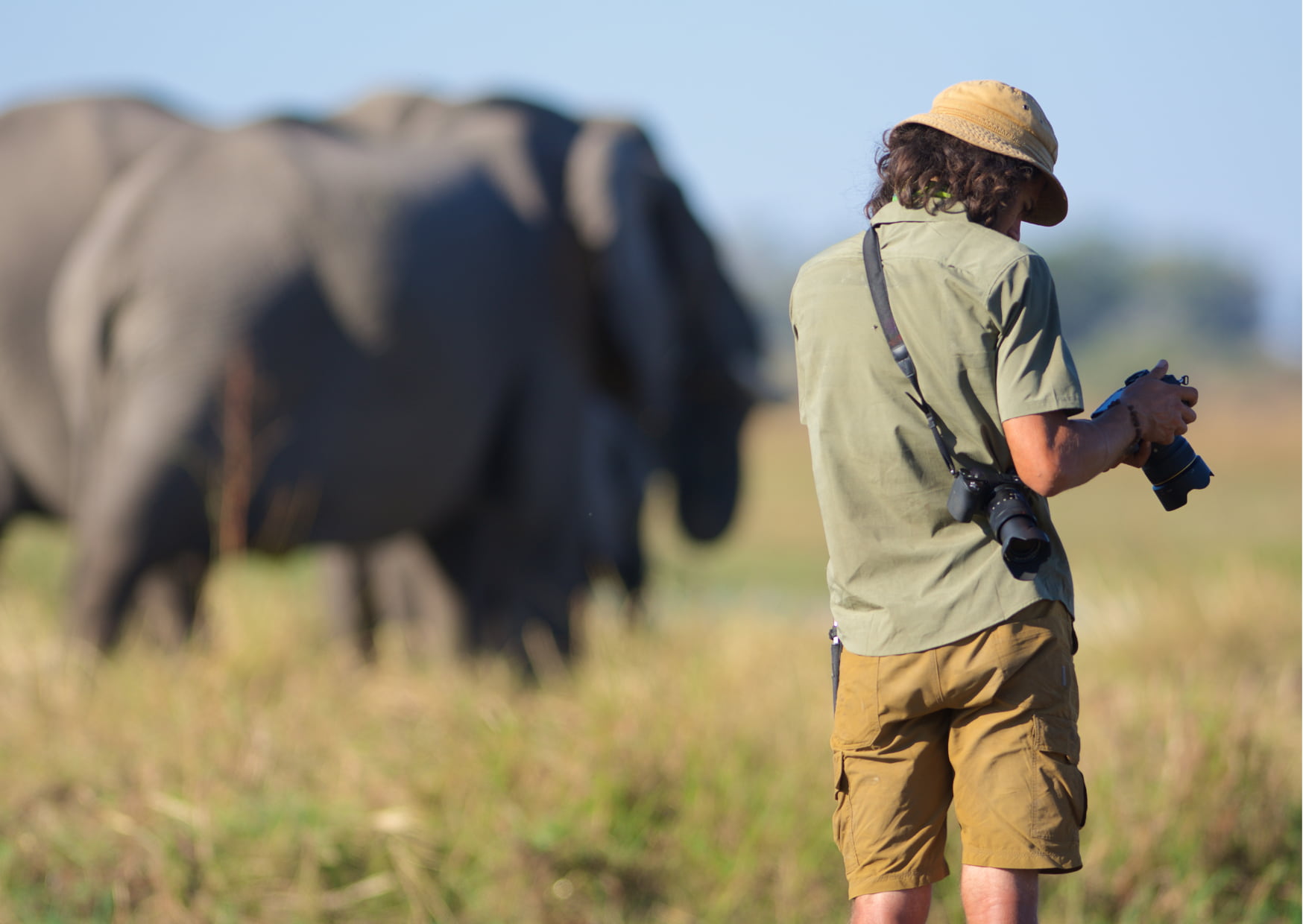
Uganda uses UK-style three-pin plugs (240V). Bring twice the batteries and memory you think you need — lodges in remote areas may charge devices only in the evening. A 100–400 mm zoom covers most wildlife; a dry bag protects everything during forest treks and boat cruises.
Our Top On-the-Ground Tips
Tip your guide around USD 10–15 per day and gorilla porters USD 20 — it transforms local livelihoods. Buy a local SIM at Entebbe for cheap data. Greet people before asking questions; a simple 'Oli otya?' opens every door in Uganda.
Ready to Experience Uganda?
Let our local experts turn this guide into your own tailor-made safari itinerary.
Plan Your Safari